
The entrepreneurial landscape is evolving, driven by technological advancements, shifting consumer behaviors, and innovative business models. In 2024, several key trends are shaping the industry.
Firstly, working from home and hybrid work models are gaining popularity, following the pandemic's demonstration of successful remote work. Mobile optimization is also crucial, as global consumer mobile spending is projected to reach $728 billion by 2025.
Diversity in the workforce is increasing, and businesses that genuinely embrace it will reap benefits from well-rounded teams and top talent acquisition. Companies are also specializing in niche market services, offering unique products to target audiences.
The gig economy continues to grow, with businesses like Uber and DoorDash proving its profitability. Entrepreneurs are prioritizing long-term cash planning for budget stability and exploring subscription-based models, which have surged due to the pandemic, with 49% of shoppers using subscription services.
Eco-friendly business practices and products are gaining traction, catering to millennials' and younger shoppers' environmental concerns. Social commerce has emerged as an $89.4 billion market, enabling businesses to sell products directly on social media.Lastly, cryptocurrency acceptance is on the rise, moving beyond a short-term fad, with more companies accepting digital currencies in their online stores.
These trends underscore the importance of adaptability, innovation, and customer-centricity in today's entrepreneurial ecosystem. By embracing these shifts, entrepreneurs can build resilient, impactful, and successful businesses.
.jpg )
The world of entrepreneurship is always evolving, fueling innovation, creating jobs, and boosting economies worldwide. Over the past few years, we’ve seen major shifts in the entrepreneurial landscape, influenced by technology, changing consumer habits, and the growing importance of social responsibility.
Lately, the entrepreneur community has witnessed some significant developments. There’s been a surge in sustainable business ventures, the rapid growth of online marketplaces, and a newfound emphasis on mental well-being among founders and teams. Innovations like AI-powered startups are gaining momentum, while initiatives around diversity, equity, and inclusion are transforming workplaces. Meanwhile, remote work and the rise of virtual teams are redefining how businesses operate, and social entrepreneurship is tackling pressing global issues.
Looking to the future, several emerging trends are set to redefine entrepreneurship. The circular economy is gaining ground, promising more sustainable business practices. Blockchain and cryptocurrencies are reshaping financial systems, while AI and machine learning continue to advance at an impressive pace. Virtual and augmented reality, as well as the roll-out of 5G and the Internet of Things (IoT), are opening new opportunities for creative and tech-savvy entrepreneurs. Staying ahead in this space means keeping a close eye on these developments.
Seasoned entrepreneurs often share similar advice for success: stay resilient and adaptable, always keep the customer’s needs front and center, and invest in building a strong, supportive team. They emphasize learning from setbacks and being willing to pivot quickly when necessary. By adopting these strategies, entrepreneurs can create businesses that not only succeed but also leave a meaningful impact.
In summary, the entrepreneurial world is changing rapidly, and those who want to thrive must remain adaptable and forward-thinking. It’s crucial to understand new trends, embrace sustainability, and commit to making a difference in society. Entrepreneurs who are ready to evolve with these shifts can make a lasting impact, transforming their communities and, ultimately, the world.
.jpg)

The entrepreneurship landscape is undergoing a profound transformation, driven by the relentless pace of digital innovation. The COVID-19 pandemic has accelerated this shift, forcing businesses to adapt and evolve in response. Today's entrepreneurs must be digital pioneers, leveraging cutting-edge technologies to drive growth, improve efficiency, and enhance customer experiences.
A shining example of digital transformation and innovation is Stripe, a fintech startup founded by Patrick and John Collison in 2010. Stripe has revolutionized online payments, providing a seamless and secure platform for businesses to process transactions. Its bold approach to digital innovation has disrupted traditional payment systems and empowered entrepreneurs worldwide. Stripe's success demonstrates the power of digital transformation, enabling businesses to scale rapidly, expand globally, and improve customer satisfaction.
Stripe's willingness to challenge conventional payment systems and develop new solutions has enabled it to stay ahead of the curve. This innovative spirit has fostered a culture of experimentation, encouraging Stripe's team to continuously improve and refine its services. By leveraging cloud computing, artificial intelligence, and machine learning, Stripe has created a scalable and secure payment infrastructure, processing over $1 trillion in transactions annually.
The impact of digital transformation on entrepreneurship cannot be overstated. Entrepreneurs who adapt and innovate will thrive, while those who resist change risk being left behind. Stripe's story serves as a powerful reminder that digital transformation is not just about adopting new technologies but also about fostering a culture of innovation and experimentation.
In today's digital landscape, entrepreneurs face numerous opportunities and challenges. By embracing digital transformation and innovation, entrepreneurs can unlock new business models, disrupt traditional industries, and create new markets. The entrepreneurship world is evolving rapidly, and digital transformation and innovation are at the forefront of this shift.
Stripe's success is not an isolated example; it represents a broader trend in entrepreneurship. Startups like Airbnb, Uber, and Spotify have similarly disrupted traditional industries through digital innovation. These pioneers have demonstrated that digital transformation is not just a buzzword but a business imperative.
In conclusion, the digital dawn has transformed the entrepreneurship world, emphasizing the importance of innovation, adaptability, and technological savvy. By embracing this shift, entrepreneurs can build resilient businesses that drive positive change and shape the future. The digital revolution is here to stay, and entrepreneurs must be at the forefront of this transformation.
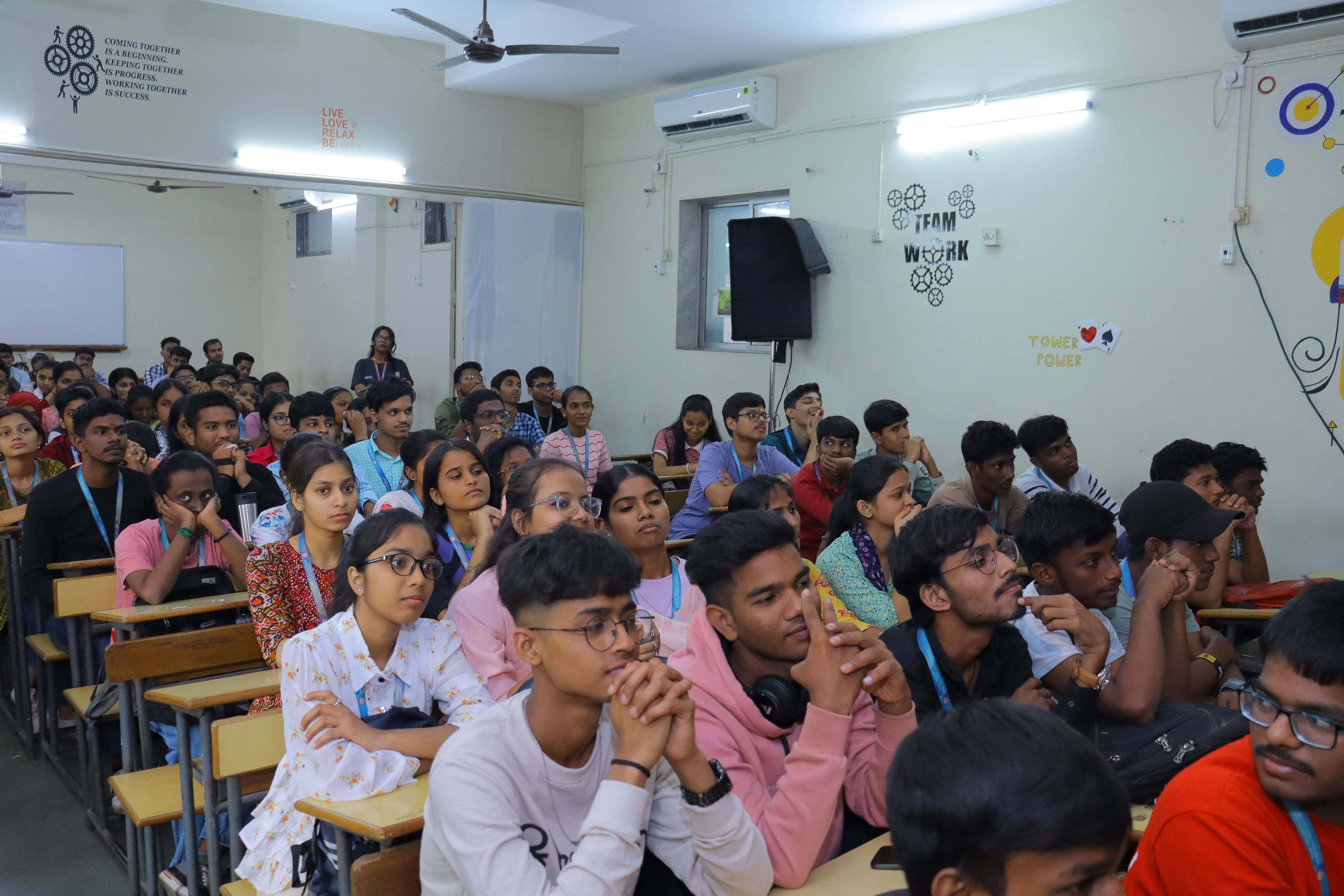

In today’s world, the connection between entrepreneurship and innovation is stronger than ever. Entrepreneurship is no longer just about starting or running a business—it’s about spotting opportunities, identifying gaps, and creating solutions that truly add value. Entrepreneurs are the visionaries who take bold risks to bring new products, services, and ideas to life, meeting the ever-changing needs of society. Without innovation, entrepreneurship risks becoming stagnant. And without entrepreneurship, innovation may never move beyond abstract ideas into practical, impactful solutions.
Innovation today goes far beyond building new products or physical structures. It includes embracing digital transformation, new technologies, and fresh ways of thinking about traditional systems. From the way e-commerce reshaped shopping to how renewable energy startups are tackling climate change, innovation allows entrepreneurs to solve global problems while building sustainable businesses. Innovation also shows up in less obvious ways—such as creative business models, unique marketing strategies, or customer-first services that transform entire industries. Think of companies that prioritize user experience and personalization: they haven’t just achieved success, they’ve reshaped customer expectations worldwide.
At the heart of successful entrepreneurship and innovation lies adaptability, vision, and resilience. Entrepreneurs must constantly adapt to changing market trends, shifting consumer preferences, and rapid technological shifts. They need the vision to spot opportunities even in tough times, and the perseverance to learn from setbacks—because failures are often stepping stones to bigger breakthroughs. Innovation, in turn, thrives on curiosity, experimentation, and the courage to challenge conventional thinking.
Together, entrepreneurship and innovation fuel economic growth, job creation, and social progress. More importantly, they are key to sustainable development. When entrepreneurs adopt innovative strategies, they aren’t just chasing profits—they’re also creating solutions for challenges like climate change, healthcare access, financial inclusion, and education. By aligning business goals with social responsibility, they ensure long-term impact and relevance.
Ultimately, entrepreneurship and innovation form a cycle of progress: ideas turn into action, action creates growth, and growth contributes back to society. This dynamic partnership is what drives advancement—pushing economies forward while building a more sustainable and inclusive future.


In today's fast-moving world, artificial intelligence (AI) is not a far-off idea anymore -it's a force powering the way businesses are conceived, grown, and maintained. Entrepreneurs from various sectors are welcoming AI not only as an enabler, but as a partner that speeds up creativity, making decisions, and customer satisfaction.
The New Face of Entrepreneurship
Entrepreneurship was risk-taking, managing resources, and relying on human
intuition. Contemporary entrepreneurship introduces another intense
force-data-driven intelligence.
From small startups to multinational corporations, AI allows
entrepreneurs to:
• Better forecast market trends
• Customize products and marketing
• Streamline repetitive tasks
• Optimize expenses and enhance efficiency
This is the time when entrepreneurs today can start and grow faster than
ever even with sparse resources.
AI: The Game-Changer for Startups
AI tools have levelled the playing field. You don't require a huge team to
analyze customer behaviour or craft marketing campaigns. AI-powered
platforms - such as ChatGPT, Jasper, Notion AI, and Midjourney - assist
entrepreneurs in writing content, coding, designing, and strategizing
within minutes.
For example:
1. AI in Marketing: Predictive analytics enables brands to target the right
audience.
2. AI in Customer Support: Chatbots deliver 24/7 support, enhancing
satisfaction and lowering costs.
3. AI in Product Development: Machine learning can simulate outcomes,
reducing trial-and-error.
Opportunities in the AI-Driven Economy
Entrepreneurs who understand AI’s potential can tap into new markets. Some
emerging business ideas include:
• AI-based health monitoring startups
• Personalized education platforms using adaptive learning
• Smart agriculture using predictive weather and crop data
• AI consulting and automation services for traditional businesses
In short, AI doesn’t replace entrepreneurs — it empowers them to think bigger and move smarter.
The Human Factor Still Counts
Though AI introduces efficiency and speed, it lacks the human touch -
empathy, ethics, and emotional intelligence. Successful entrepreneurs will
be those who find a balance between technology and humanity to ensure
innovation benefits society responsibly.
The Road Ahead
The future is for those AI-literate entrepreneurs who are creative
thinkers who harness technology not for gain, but for purpose. With
continuing growth of AI, there will be increasing demand for leaders who
can steer its possibilities and risks with vision and integrity.

.jpeg )